
A practical look at smarter search systems, price considerations, and the shift toward multi-technology detection.
Metal detection has changed a lot in a relatively short time. What used to be a fairly simple choice between a few detector types has become a much broader technology category, with systems built for different targets, soils, depths, and search styles. Buyers today are comparing not only detection range, but also software, search modes, imaging features, ease of use, and after-sales support.
That shift is especially visible in the UAE, where interest in professional metal detectors has grown alongside demand for gold detectors, long-range systems, and more advanced underground detection systems. For buyers searching for metal detectors in Dubai, the question is no longer simply which device is the most powerful. It is which technology actually fits the job.
Why the market is moving toward multi-system detectors
Different targets behave differently underground, and that makes one-size-fits-all claims difficult to take seriously. A detector optimized for small natural gold targets may not be the right choice for deep objects, while a ground scanner can answer a very different question from a conventional coil-based detector.
This is why manufacturers have been adding multiple search modes and combining technologies inside a single platform. The goal is not to make the device look more complicated; it is to give the operator a better match between the search method and the actual field conditions.
Metal detector price is becoming a technology question, not just a budget question
Metal detector price can vary dramatically, and the same is true for gold detector price. Entry-level devices may focus on a narrow task, while professional systems can include several search modes, specialized antennas or sensors, digital interfaces, and more advanced target analysis. The price difference often reflects the number of technologies being combined, the intended depth range, and the level of support around the product.
For that reason, comparing prices without comparing use cases can be misleading. A lower-cost detector may be a better choice for a hobby user, while a professional buyer may value flexibility, training, warranty, and the ability to work in different environments more than the initial purchase price.
Gold Hunter Smart as a practical example
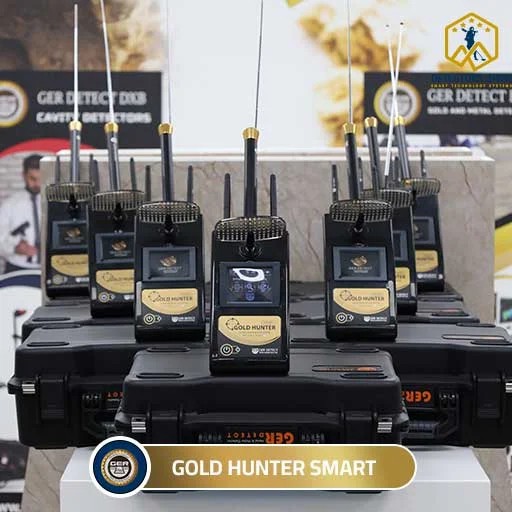
One example of this multi-system approach is the Gold Hunter Smart. Rather than relying on a single search method, it is positioned as a professional system for different target types and field conditions. That makes it a useful example of where the market is heading: more specialized modes in one device, with the operator choosing the system that best fits the search.
Searches for “Gold Hunter Smart price” also show something interesting about buyer behavior. People are not only looking for a product name; they are comparing capability, support, and value before making a decision. In a category where specifications can sound similar on paper, clear technical information matters.
Dubai is becoming an important regional market for detection technology
Dubai has become a practical base for this type of specialized equipment because it connects the UAE with customers across the Middle East, Africa, and other international markets. Local buyers can see equipment, ask technical questions, and compare systems, while regional customers benefit from Dubai’s logistics and trading infrastructure.
Detectors Shop operates from Dubai and works as an official distributor and partner for GER Detect and XP Metal Detectors, the French manufacturer known for professional metal detection technology. That direct relationship with manufacturers is important in a market where buyers often need help understanding which system is suitable for their target and environment.
What comes next for underground detection systems?
The next stage of development will likely be less about adding flashy features and more about making information easier to interpret. Better interfaces, cleaner target analysis, smarter search modes, and more useful field data can make a bigger difference than simply adding another specification to a product sheet.
For buyers, that means the best detector will increasingly be the one that makes sense for the specific search — not necessarily the one with the longest feature list. And for the industry, it means metal detectors, gold detectors, and underground detection systems will continue moving closer to the broader world of digital field technology.